Introduction
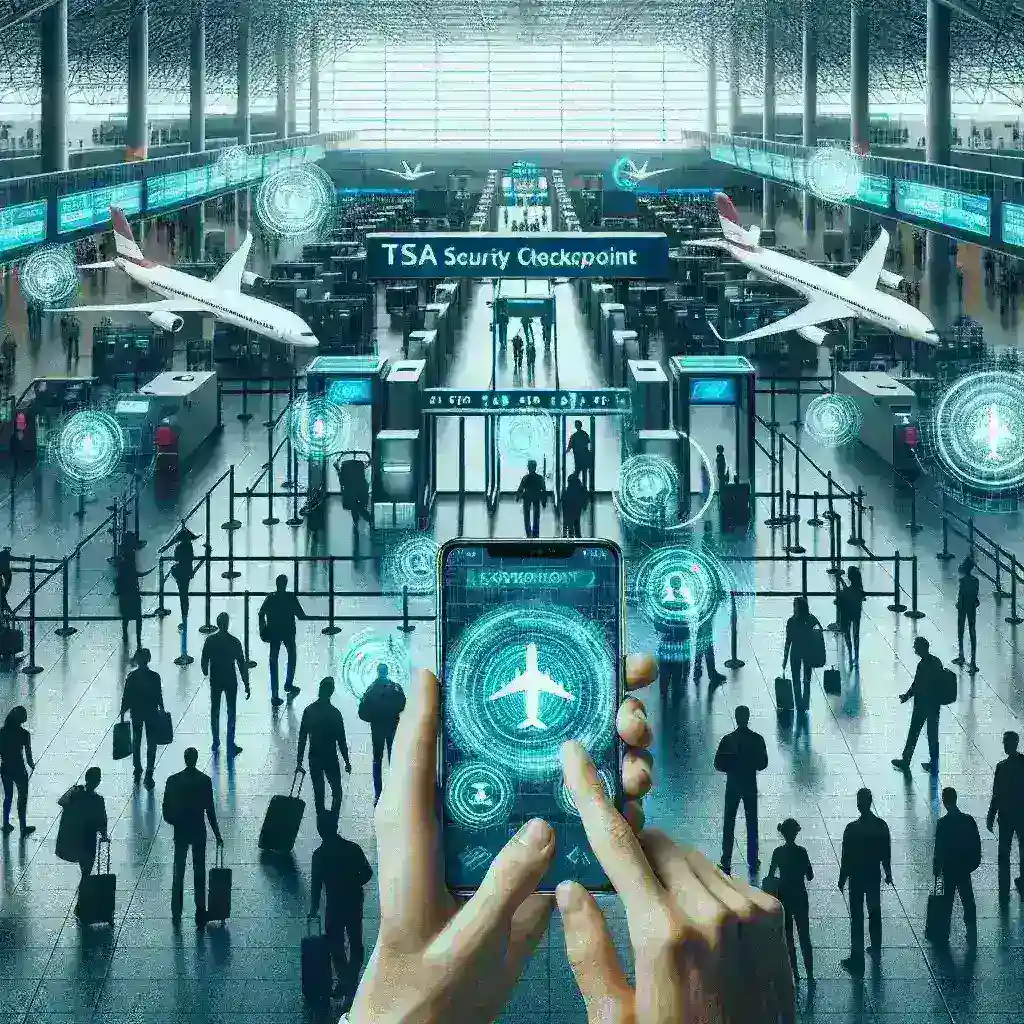
The landscape of air travel is evolving rapidly, with technology playing a pivotal role in enhancing passenger experiences. One of the most significant developments in recent times is the expansion of TSA digital ID trials at US airports, integrating Apple Wallet and Google Wallet. This initiative promises to streamline the security process, making air travel more efficient and convenient for millions of travelers.
The Rise of Digital Identification
As our world becomes increasingly digital, the need for secure and convenient identification methods has never been more pressing. Traditional forms of ID, such as physical driver’s licenses or passports, are often cumbersome and can lead to delays at security checkpoints. Digital IDs, however, offer a solution that is not only faster but also more secure.
Historical Context
The concept of digital IDs is not entirely new. In recent years, numerous countries and organizations have explored various forms of digital identification. The TSA’s initiative comes on the heels of technological advancements in mobile wallets, which allow users to store and manage their identification documents securely on their smartphones.
Current Trials and Their Impact
The TSA has initiated trials at select airports to test the integration of digital IDs with mobile wallets. These trials allow travelers to use their Apple or Google Wallets to present their identification at security checkpoints, reducing the need to rummage through bags for physical IDs. As of now, these trials are being conducted in airports such as Denver International Airport and Washington Dulles International Airport.
How It Works
- User Enrollment: Travelers must enroll their IDs through a secure process, linking their physical ID to their mobile wallet.
- Security Checkpoint: At the security checkpoint, travelers can simply display their digital ID from their wallet, which is scanned by TSA agents.
- Verification: The TSA verifies the identification securely without needing to handle physical documents.
Advantages of Digital ID Integration
Enhanced Efficiency
By allowing digital ID usage, airports can significantly reduce waiting times at security checkpoints. This integration leads to a smoother flow of passengers, enhancing the overall travel experience.
Increased Security
Digital IDs come with advanced security features, such as encryption and biometric verification, making them harder to forge or steal compared to traditional IDs.
Convenience for Travelers
Travelers can carry multiple forms of identification in one place, eliminating the risk of forgetting or losing a physical ID. The integration with Apple and Google Wallets means that travelers already familiar with these platforms will find it easy to adopt.
Challenges to Consider
Technological Barriers
Not all travelers are tech-savvy, and some may face challenges in adopting digital IDs. Ensuring that all passengers have access to the necessary technology is crucial.
Privacy Concerns
With digital IDs, there are inherent privacy and data security concerns. Travelers may worry about how their personal data is stored and used, necessitating transparent policies from the TSA.
Infrastructure Limitations
Not all airports are equipped with the technology needed to support digital ID verification. Ensuring a consistent experience across various locations will require substantial investment in infrastructure.
Future Predictions
As the trials progress, it is expected that more airports will adopt digital ID solutions, paving the way for a broader rollout across the country. The TSA aims to refine the process based on feedback from these trials, potentially leading to mandatory digital ID requirements in the future.
Beyond the TSA
The implications of this technology extend beyond TSA security checks. Other sectors, such as banking and healthcare, may also begin to embrace digital identification, leading to a more interconnected and efficient system.
Real-World Examples and Cultural Relevance
Countries like Estonia have successfully implemented digital IDs, offering a glimpse of what the future holds for the US. The cultural shift towards acceptance of digital identification is growing, especially among younger travelers who are accustomed to using their smartphones for various services.
Expert Opinions
Industry experts believe that the integration of digital IDs into travel is a necessary evolution. “The convenience and efficiency offered by digital IDs will not only enhance the travel experience but also set a precedent for how we manage identification in other aspects of our lives,” says a leading tech analyst.
Conclusion
The expansion of TSA digital ID trials with Apple Wallet and Google Wallet integration marks a significant step forward in the evolution of air travel. As technology continues to reshape how we move through the world, initiatives like these are crucial in ensuring that travel remains efficient, secure, and convenient. By embracing these advancements, airports can enhance the traveler experience and pave the way for future innovations in identification and security.
